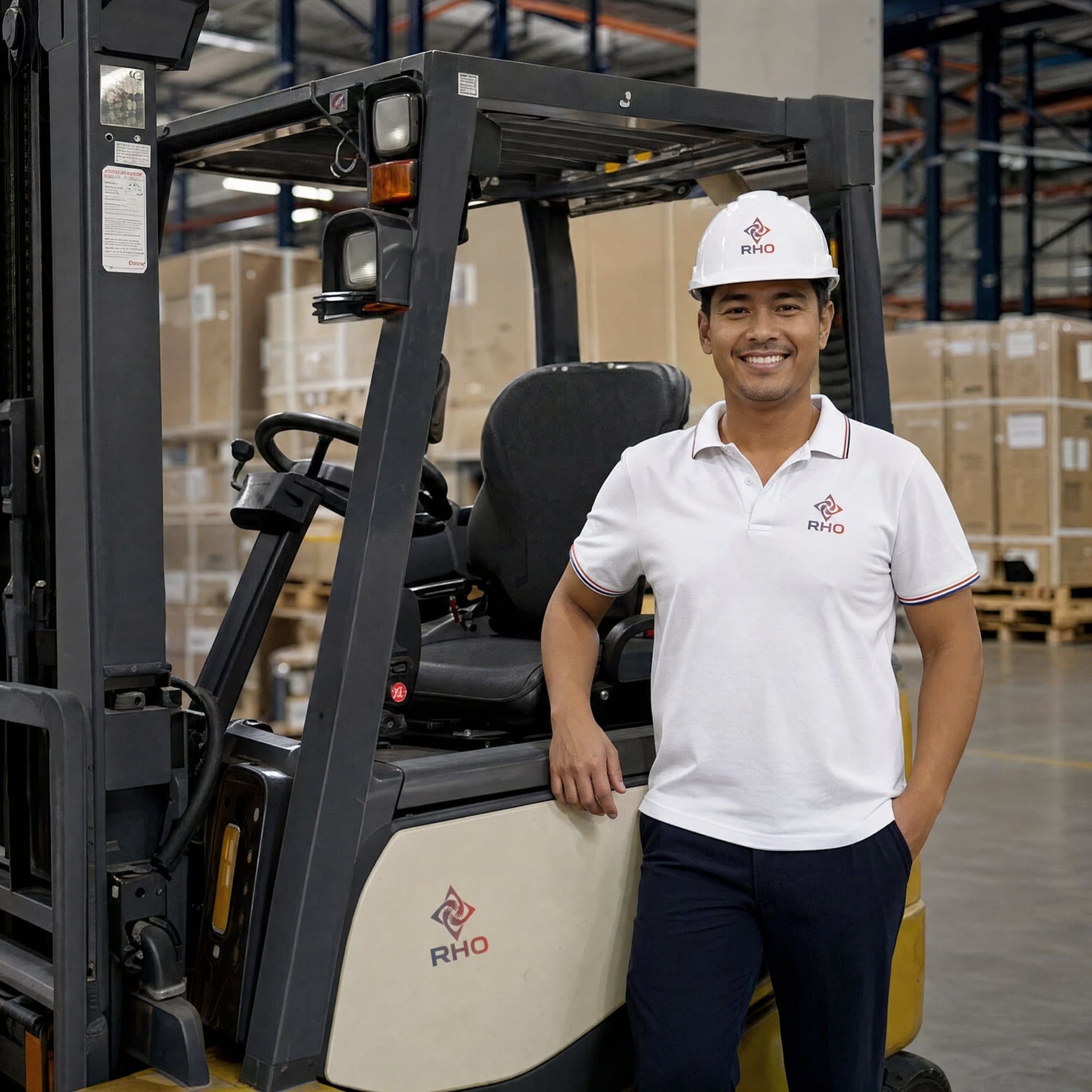


In short: Ideally, a peak season staffing plan begins 8 to 12 weeks before expected volume: forecast by week and shift, notify your staffing agency far in advance, onboard people early so they can be trained before the rush begins, and strategize about how you'll retain them until the last delivery truck pulls out. RHO Hiring builds recurring seasonal staffing plans for Michigan employers: (248) 843-0000.
Peak season doesn't sneak up on you. It's on the calendar every year. It just seems sneaky because the week it hits is the week everyone is too busy to prepare. So prepare now, and when it's done, record your notes, because next year's prep begins the week this one ends.
How many people will you need, when, and on which shift?
Start from volume
Actual orders (units or cases) per week last year, adjusted for what your customers and sales team tell you is going to happen this year.
Turn volume into hours
Divide by how many each trained person can do per hour for each activity (pick, pack, load, receive).
Turn hours into people
Spread the hours out over your shifts, then factor in coverage for time off and new employees not yet up to speed.
Mark the waves
Schedule each wave to start early enough to be trained before the volume hits, not during it.
Share it early
Submit your forecast to your agency by week and shift (including tasks and equipment) as early as possible.

A calendar for a Q4 peak
| When | What happens |
|---|---|
| Late August to September | Forecast by week and shift; brief your agency; check protective gear, scanners and trucks |
| Early October | First wave starts; site-specific safety training; trainers and buddies assigned |
| Mid October to early November | Second wave; cross-training on key tasks; first-week check-ins |
| Mid November to late December | Peak volume; daily shift huddles; quick replacements for call-offs |
| January | Returns and ramp-down with notice; thank-yous; write down what worked |
Q4 is not the only peak. Back-to-school, spring promotions, new customer onboarding, a model changeover at an auto supplier or a cannabis grow's harvest all bring the same crunch, just on a different date. Here's the calendar trick for any of them: count backwards from the day demand arrives.
Ramp up before the rush, not during it
Training them on the busiest day of the year is training no one will remember. OSHA's bulletin on temporary workers in warehousing instructs that training be completed prior to the worker starting work, and that it be provided in a language and vocabulary the worker understands. It also details the typical split of who provides what training: the host employer is responsible for site-specific training; the staffing agency is responsible for general safety and health training; and the contract between the two should specify who provides what.
Peak brings another hazard into the mix: lots of new people on a floor at one time, close to forklifts and conveyors they are not familiar with yet. According to OSHA, the most frequently occurring warehousing injuries are musculoskeletal disorders, mostly from overexertion while lifting and lowering, and being struck by powered forklifts and other material handling equipment. OSHA also requires forklift operators to each be trained and evaluated before using the equipment, so each temp operator needs an evaluation on your trucks before peak season starts, not the first day of peak.
Train before volume
Train everyone you plan to bring on board a week or two before your surge date, not the morning of. Include safety training and job-specific info.
Operators evaluated early
Temp forklift drivers get evaluated on your trucks prior to peak, with the records kept where you can find them.
A buddy for everyone
Pair new people with veteran associates on their first few shifts.
Clear walking routes
Mark pedestrian traffic paths and keep exits clear at all times, even during pallet pile-ups.
Cross-train the bottlenecks
Cross-train select individuals on your critical operations that cease when one person is absent.
Plan every shift
Overnight shifts and weekends require trainers and leadership, not just headcount.
OSHA has a holiday workplace safety page for this very season. It includes resources for order fulfillment, ergonomics, forklift safety, warehousing, temporary workers and seasonal workers. Worth forwarding to every supervisor in September.
How do you keep them through the rush?
It's the middle of peak, and that's when crews break down. Volume is roaring, weeks are longest, and the novelty is gone. Five minutes huddled up at the start of each shift matters more than you'd think: where everyone is working, what needs to ship today, what didn't work yesterday and how we fixed it. Everyone who knows the plan for the day works faster, messes up less and is much more likely to want to come back tomorrow.
Peak season mistakes
- Calling the agency the week the volume arrives
- Training people on the busiest day of the year
- Putting every new person on the hardest task
- Moving shifts around with no notice
- Ending the season without a debrief or a word of thanks
After the peak: debrief and keep your bench
Document it now: the headcount you forecast vs. the volume you got, what training was effective, which shifts under-performed, whom you'd hire again. Your top performers during this peak will be your trainers next year and some may become future mainstays on your team.
Michigan also offers public help if you want to hire someone permanently. Michigan Works! consists of 16 regional agencies with over 90 American Job Centers throughout the state, and employers in Michigan can receive assistance with locating, developing, and retaining their talent.
“We, as owners, come in and work directly with our clients.”
 Vadym MakoveyCo-Founder, RHO Hiring
Peak season staffing questions
How early should we start planning for Q4?
Begin forecasting in late summer. Notify your agency 8 to 12 weeks before the volume hits. That way people can be trained before the rush.
Can the same temp workers come back next year?
Frequently, yes. Returning workers are already familiar with your floor. Identify who you want back and communicate your wishes to your agency as soon as possible.
Should peak workers get safety training before they start?
Yes. According to OSHA's warehousing bulletin, training should be completed prior to the start of work by the temporary worker and in a language that they can understand. The host employer is normally responsible for providing the site-specific component.
What if volume comes in lower than forecast?
That is why there are waves in the plan. If wave one covers the volume, sit on wave two and let your agency know as soon as you can.
Is peak a good time to find permanent people?
Frequently, yes. You will observe dozens of individuals performing their jobs under stressful conditions. Notify them ahead of time if there is a possibility that certain positions will become permanent. Agree on temp-to-hire terms with your agency ahead of season kickoff.
Who should we call to staff peak season in Metro Detroit?
Contact a staffing agency 8 to 12 weeks prior to when your volume will begin. Provide your forecast by week and shift. RHO Hiring will create recurring staffing plans to accommodate your peak seasons. We cover day, night, weekend and high-volume shifts. A manager will typically get back to you within a couple of hours: (248) 843-0000.
How RHO Hiring plans peak season with Michigan employers
RHO Hiring creates recurring staffing plans for seasonal peaks. Day shifts, night shifts, weekend shifts and high-volume shifts are covered. We learn your workflow, your shifts and your volume before anyone starts. Our staff are screened for dependability and attention to detail and trained in safety, and a dedicated management team stays with your account throughout the rush. We are locally owned and operated, not a franchise. The owners are hands-on with our clients. Our guide to warehouse roles and shifts covers the positions a peak season calls for.
Sources
Next guide
RHO Hiring's warehouse staffing guide covers pickers, packers, forklift operators and loaders: how to staff for each role, cover every shift, survive peak season and keep your fast-moving floor safe.