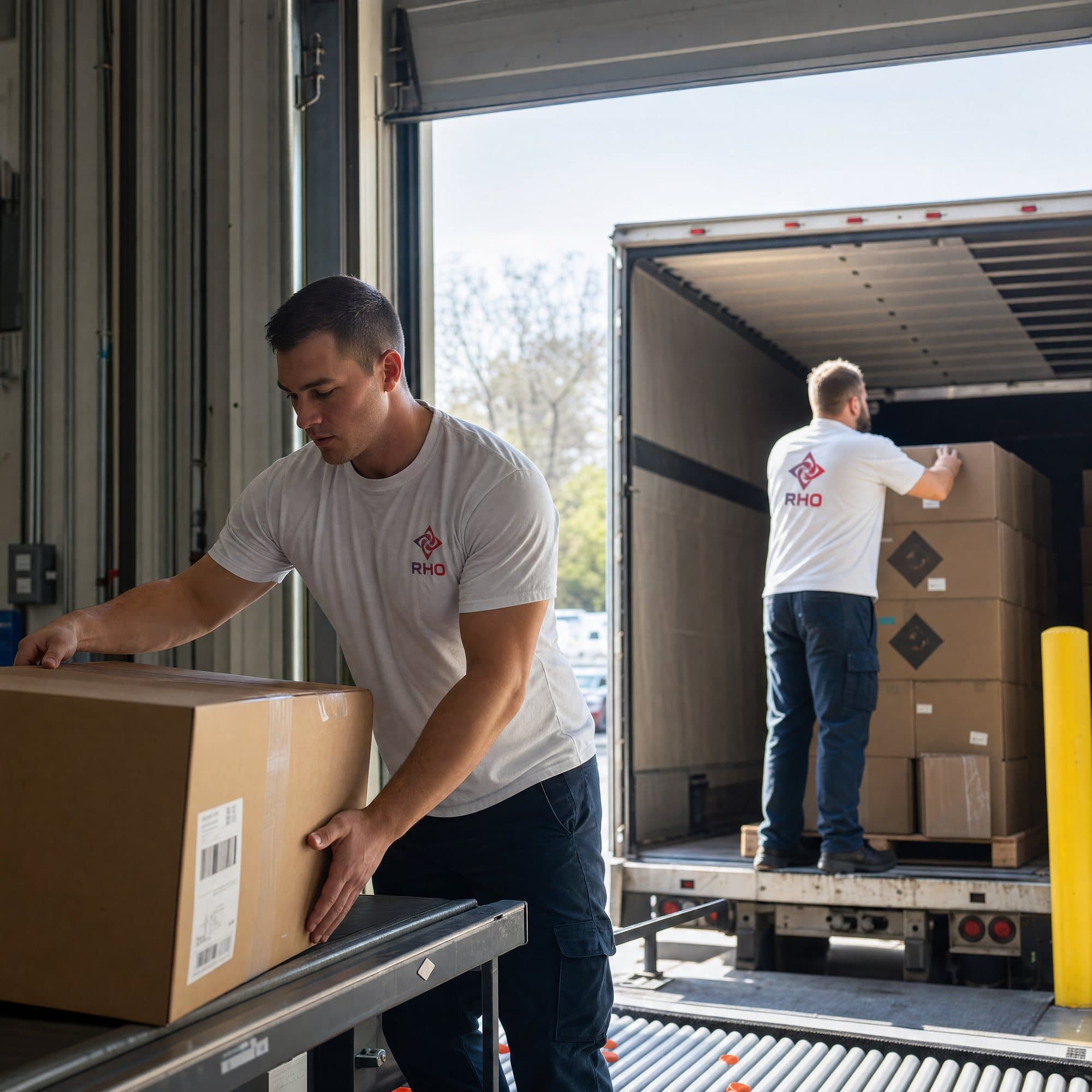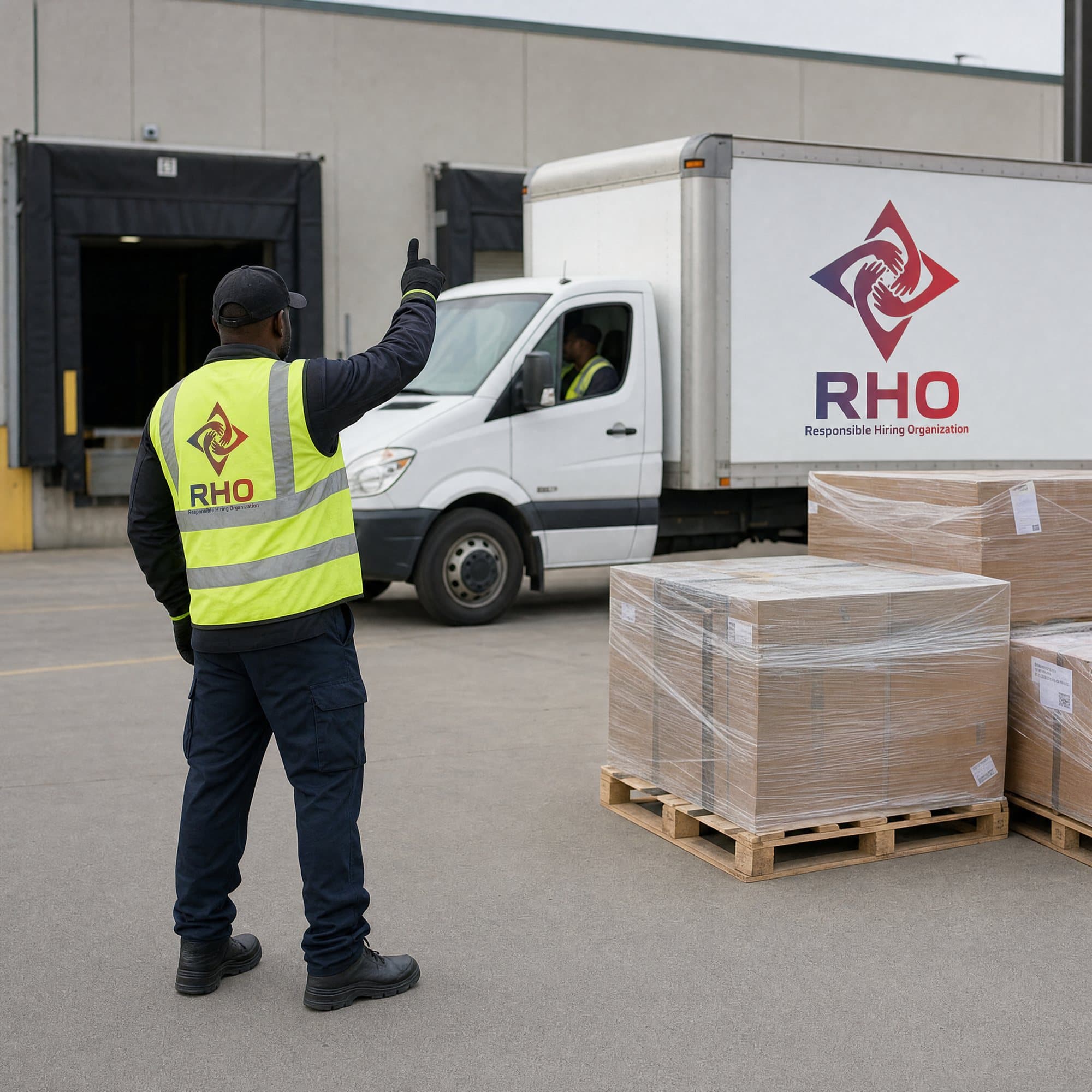


In short: First day of temp work: show up early, dressed and shod appropriately for the work. Bring what they told you to bring. Listen carefully during safety orientation. Know who to call: your on-site supervisor for the task at hand, and your staffing agency for the assignment itself. RHO Hiring hires people for work at Metro Detroit warehouses and plants: view open positions or call (248) 843-0000.
First days are a little scary for everyone, even for folks who have been doing the work for years. Ask questions: no one expects you to know the building already. The good news is that nearly everything you can do to ensure a good first day can be done the night before.
The night before
If you are unclear on any details of your assignment tonight, like start time, entrance or attire, call your agency now. Don't call at 5:45 in the morning. Two minutes tonight will prevent a panicked minute in the parking lot tomorrow.

What should you wear to a warehouse or factory temp job?
Warehouses, factories and production floors are all working places. Dress for the job, and if you aren't sure what to wear, ask your agency what the site expects. Here are some basics that work almost anywhere:
Sturdy, closed-toe shoes
You will be standing a lot, often on concrete. If the job site you're working at requires safety shoes, they will let you know.
Layers
It's cold to stand on a dock with the doors open in a Michigan January. It's not cold to stand on a packing line in July. Layers work year round.
Nothing loose
Loose sleeves, scarves and dangling jewelry can get caught in moving equipment. Leave them at home or tucked away.
Hair tied back
Long hair should be tied back and out of the way. Wear a hairnet if the site requires them.
Safety gear from the site
If your job requires gloves, glasses, a vest or a hard hat, you have the right to be provided with necessary protective gear. Wear it as you were instructed.
Clothes that can get dusty
Boxes, pallets and production lines are not kind to your favorite shirt.
What should you bring on your first day?
Bring what your employer told you to bring. Beyond that, keep it simple:
- Your phone, charged, with your agency's number saved
- Lunch, snacks and water, especially for a long shift
- A jacket or sweatshirt for cold areas
- Glasses, if you need them for reading: the labels and scanners have tiny print.
- A pen, for notes during orientation
Lots of facilities have rules about phones on the floor. Find out where yours needs to live while you work, and keep valuables to a minimum. A locker or your car is a better spot for that stuff than your pocket next to the conveyor.
Your first hour: orientation and safety
Most first days begin with an orientation. Listen up, even if you have worked in a similar place before: every building has different exits, rules and equipment. Temporary workers have the same safety rights as permanent employees. According to OSHA, they are: a safe workplace free of hazards, training in language you understand, safety equipment, the right to speak up about safety, and the right to report work injuries. You cannot be punished for reporting job-related injuries.
Check in
Get there early. Locate the correct entrance. Identify yourself to the person at the door, and say which agency sent you.
Orientation
Learn about exits, emergency procedures, and injury reporting. OSHA and NIOSH advise that temporary workers learn about these topics on every assignment.
Meet your trainer
Someone will need to walk you through the job. Learn their name, and ask who to ask for when they are gone.
Watch, then do
Observe the task being performed correctly, attempt the task while being observed, and then inquire about your performance.
Ask before you touch
Never operate a machine or drive a vehicle that you have not received training for, even if someone tells you how easy it is. Operating a forklift requires training and an evaluation at that location first: see OSHA requirements for forklift training.
If you don't understand something during the training, ask. OSHA states that workers have the right to receive training about safety and health in a language that they understand. Asking a question during the first hour of training will help you much more than trying to guess during the fifth.
Who to call, and when
| What's happening | Who to tell |
|---|---|
| A question about the task in front of you | Your on-site supervisor or trainer |
| You're running late or can't make a shift | Your staffing agency as soon as possible, following its call-off directives. |
| You're asked to do a task you weren't trained for | Your supervisor, and let your agency know |
| Something looks unsafe | Your supervisor and your agency. You can also contact OSHA. |
| You get hurt, even a little | Your supervisor right away, then your agency |
| A question about your schedule or the assignment | Your agency |
You have the right to speak up. It's against the law for an employer to retaliate (fire, demote, transfer, etc.) against a worker for filing a complaint with OSHA. OSHA's pamphlet for temp workers states that you have the right to report work-related injuries and not be punished for doing so.
How can you make a good first impression on a temp assignment?
Managers see the same things every first day: Who arrives early? Who asks intelligent questions? Who returns from break promptly? Who cleans up after themselves? If you're temp-to-hire, every shift is a working interview. And the first shift matters most.
First-day mistakes that are easy to skip
- Arriving at the start time instead of a little before it
- Nodding along when you didn't understand an instruction
- Using equipment you weren't trained on because it looks easy
- Saying nothing about an injury so you don't make a bad first impression
- Leaving your area without telling anyone where you're going
- Missing a shift without calling your agency
First-day temp job questions
What if the job isn't what I was told?
Report it to your agency the same day. OSHA and NIOSH both suggest that agencies provide workers with a method to report when their job changes from what they agreed to do, and a responsible agency wants to know.
What if I don't understand the safety training?
Ask your trainer to repeat it or demonstrate it. You have the right to receive safety training in a language you understand. If it's still not clear, your agency can help.
Can I visit RHO's office to ask about work?
Yes, by appointment only. Please call 248-843-0000 to schedule, Monday through Friday, 9 a.m. to 5 p.m. The location is 18000 W 9 Mile Rd, Suite 520, Southfield.
Where else can I find help looking for work in Michigan?
The Michigan Works! system consists of 16 regional agencies and over 90 American Job Centers located throughout Michigan where job seekers can access employment, training and career services.
Who do I call if I can't make my shift or something goes wrong at the site?
Call your staffing agency as soon as you can. Also, notify your on-site supervisor if you are already at work. If you were placed by RHO Hiring, call (248) 843-0000. You may also call OSHA if you believe that there is an unsafe condition.
What RHO Hiring does before your first shift
RHO Hiring helps people find jobs in warehouses, factories and production floors throughout Metro Detroit. We screen you for reliability and attention to detail, train you on safety, and prep you for what to expect on site, before your first day so you have fewer surprises. RHO is an equal opportunity employer. Questions before or during an assignment? Call us at (248) 843-0000.
Sources

Next guide
How to choose a staffing agency: do it before your first employee punches in, because that's where the majority of staffing issues begin. Eight questions you should ask every agency, examples of good answers including RHO Hiring's own, and warning signs to look out for.