
In short: Staffing an automotive plant entails assigning employees to detailed repetitive tasks whether it be assembly, inspection or parts handling. It also requires training them on your quality standards and machine safety prior to them touching a part. Then there's forecasting headcount needs based on product launches, changeovers and customer schedules that trickle down to every supplier tier. RHO Hiring helps staff automotive parts facilities throughout Michigan: (248) 843-0000.
Metro Detroit has auto plants at every level of the supply chain. From final assembly down to the shop that stamps one bracket. The work looks different at every tier, but the staffing problems are similar: You need folks who can keep up with the pace, follow a work instruction precisely and catch a bad part before it ships.
How do automotive supplier tiers work?
| Level | Who it sells to | What the floor often looks like |
|---|---|---|
| Automaker (OEM) | Dealers and drivers: it builds the vehicle | Final assembly, body and paint |
| Tier 1 | The automaker, directly | Modules and systems: seating, interiors, electrical, larger assemblies |
| Tier 2 | Tier 1 suppliers | Components: stampings, molded parts, machined parts, wire harnesses |
| Tier 3 | Tier 2 suppliers | Materials and basic parts: steel, resin, fasteners |
Why this matters for staffing: requirements cascade downward. When an automaker adjusts a schedule, tier 1 suppliers must adjust and tier 2 suppliers hear about it soon after (often with less lead time). A late shipment or defective part upstream becomes your fire drill downstream. Well-staffed plants plan for that uncertainty instead of constantly reacting to it.
It also means the supplier's customer is watching. Quality issues, late shipments and missed product launches don't go unnoticed upstream. The employees on your factory floor represent you with every part they manufacture, inspect and ship.
The roles, and what each one needs
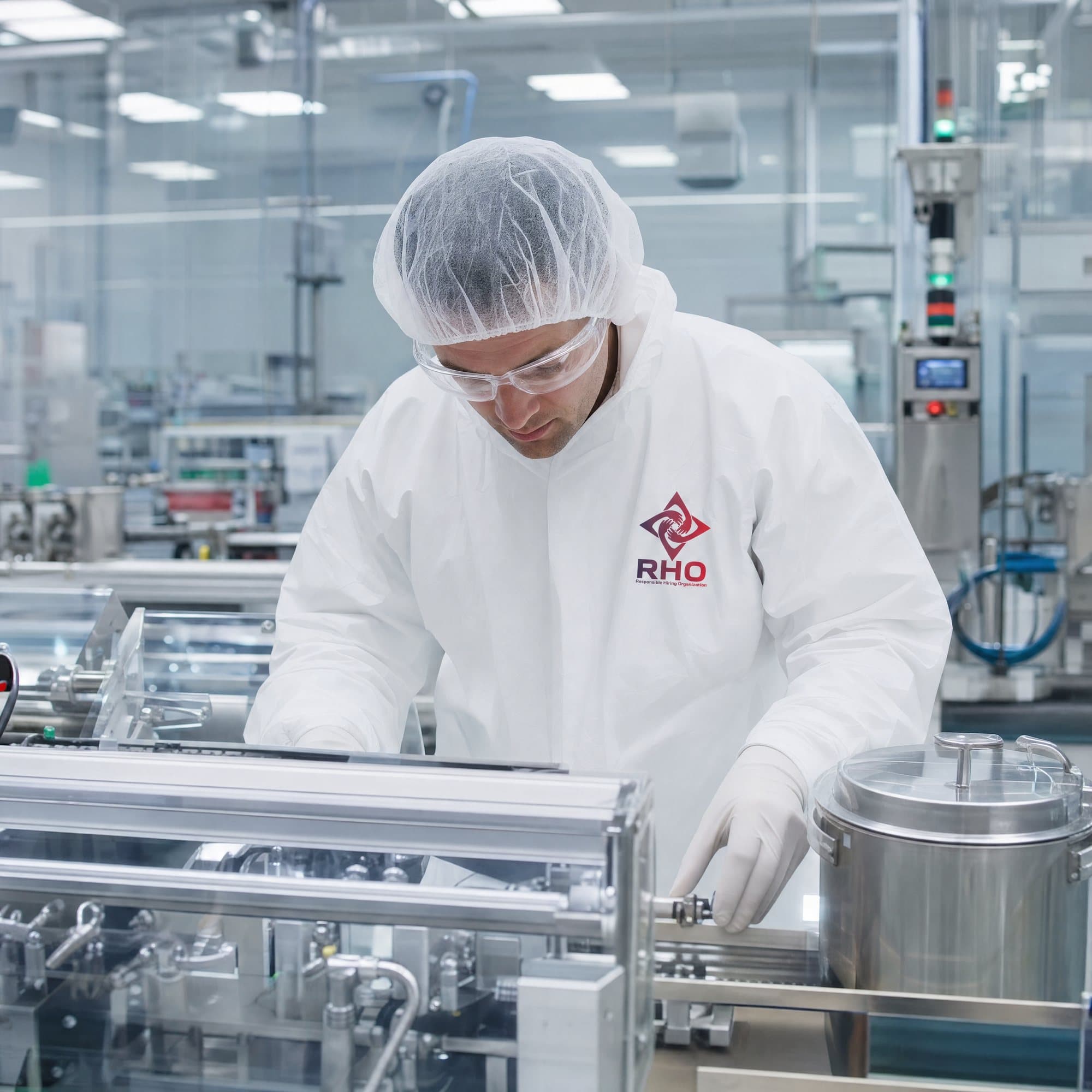
Assembly
Assembling components and products, and locating or aligning parts manually or with hoists. Requires consistency and the patience to follow a work instruction precisely.
Quality control and inspection
Reading specs, measuring parts using calipers, gauges or micrometers, and accepting or rejecting parts against the specification.
Parts and component handling
Keeping stations supplied, kitting and sequencing parts, and moving finished goods to shipping.
Machine assistance
Equipment loading and unloading, observation of problems and reporting, as each person has been trained.
Packing and labeling
Packing completed parts per customer specifications with appropriate labels on appropriate containers.
Material movers
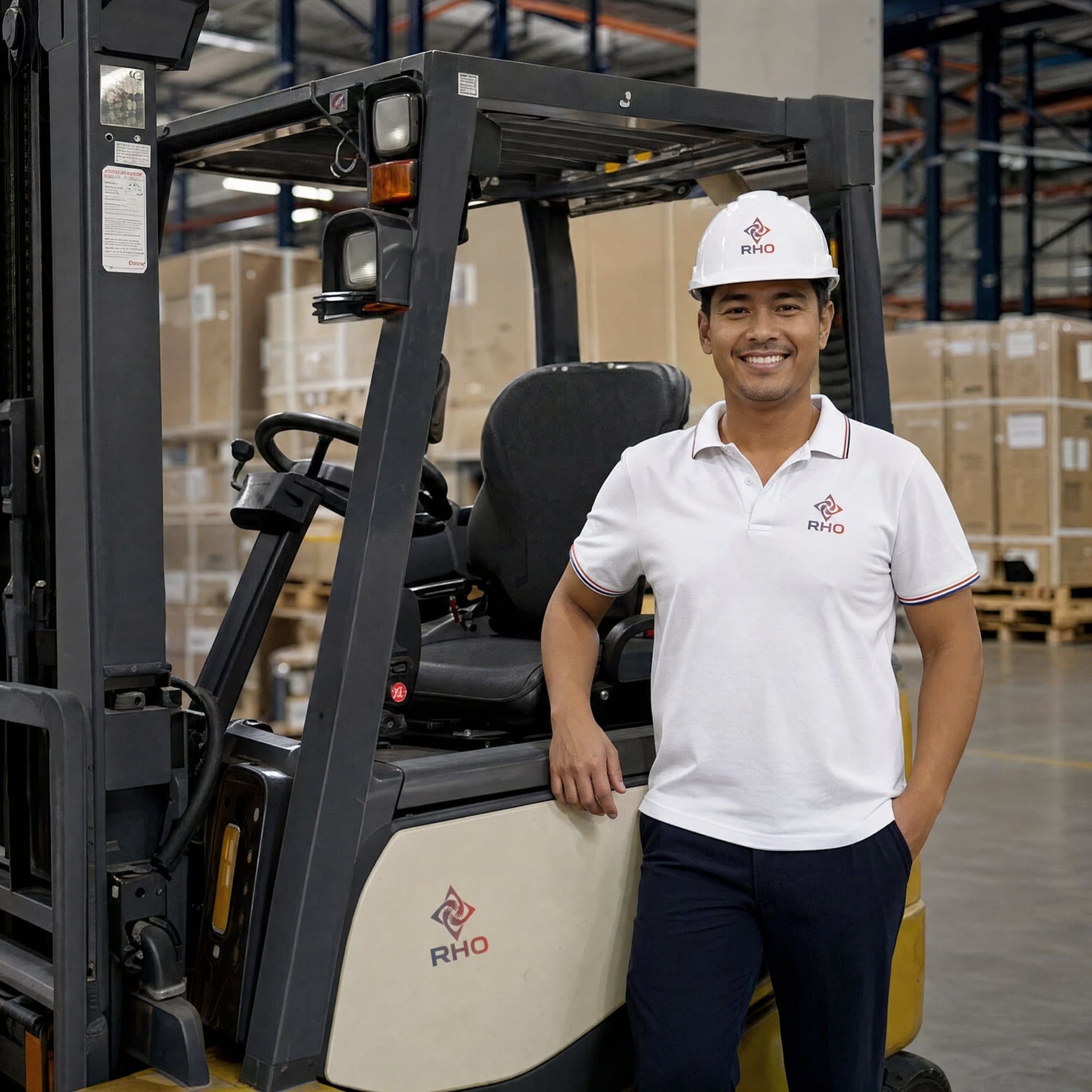
Qualified forklift operators that have been trained and evaluated on your forklifts to keep the line stocked with parts.
Consider the training that goes into these jobs, according to the Bureau of Labor Statistics. Assemblers and fabricators typically receive several months of on-the-job training. Quality control inspectors typically spend more than one month and up to a year training on the job. Some workers in both categories work evening, night or weekend shifts. And the BLS points out that inspectors may be required to put in overtime to meet production deadlines. That's a reason to start training new people early and to keep trained employees on the stations where they learned their job.
Quality starts on day one
Automotive doesn't operate on "close enough." An inexperienced worker unfamiliar with the standard can produce many parts before being caught. Embed quality into onboarding starting hour one:
Show the standard
What does a good part look like? What does a bad part look like? And which sample parts sit right on the line?
Teach the work instruction
Each station in sequence, with the rationale for any step that seems optional.
Explain the checks
Which gauges, how often, and what to write down.
Teach what to do with a suspect part
Stop, set it aside, tag it and notify your lead. Never send it down the line.
Check early output
Leads check quality on the first pieces and first hour of anyone new.
Keep people where they learned
Rotating a new employee to a different station daily increases the opportunity for error.
Safety around machines and repetitive work
OSHA doesn't mince words: Mechanical motions can cause serious injuries including crushed fingers or hands, amputations, burns or blindness, and any machine part, function or process that has the potential to cause injury must be safeguarded. Unexpected energization or startup of machines or released stored energy during servicing and maintenance can cause serious injuries or death. Therefore OSHA's lockout/tagout standard requires that all employees who work where energy control procedures are used be trained in these procedures, including the prohibition against restarting equipment that is locked or tagged out.
Repetitive motion has its own dangers. Performing the same task or similar tasks repeatedly and working in awkward postures are among OSHA's risk factors for musculoskeletal disorders, some of the most common causes of lost or restricted work time. Ergonomics, defined by OSHA as fitting a job to a person, lessens both the incidence and severity of these injuries.
Shortcuts that hurt people
- Reaching around or removing a guard to clear a jam
- Restarting equipment someone else locked or tagged out
- Keeping someone who's new on the same repetitive motion all shift, with no rotation
- Skipping site-specific training because the temp worked at another plant
- Putting someone on equipment they weren't trained on to fill a gap
How do you plan for launches, changeovers and volume swings?
Automotive volume changes in chunks: product launch, changeover, new program, customer schedule change. Every one of these requires trained staff before first piece, not after. Scheduled staffing plans based on shift cycles and known events always trump emergency requests.
“We strive to provide the best employees to every client.”
 George MakoveyCEO, RHO Hiring
Automotive manufacturing staffing questions
Can temporary workers do quality inspection?
Yes, you can train them. According to BLS, quality control inspectors usually receive on-the-job training lasting from one month up to one year. So begin with small, clearly defined things to check for and let the role expand. Temp-to-hire works well for this.
How do we keep quality steady with new people?
Demonstrate the standard, teach the work instruction, inspect early production, and keep new associates at the stations they learned.
How should we staff a model changeover?
Staff to the changeover dates. Train people on the new part and its work instructions prior to first run. Retain your trained personnel through the launch weeks, when errors are most likely to occur.
Who staffs automotive parts suppliers in Michigan?
Staffing agencies that place assembly, inspection and parts handling workers do. One of the industries RHO Hiring serves is automotive parts facilities. Positions we fill include assembly, quality control and inspection, parts and component handling, and machine assistance. Call (248) 843-0000.
How RHO Hiring staffs Michigan automotive suppliers
RHO Hiring connects assembly, quality control and inspection, parts handlers, and machine assistants to your automotive parts facilities throughout Michigan. We learn your processes, shifts and volume needs before anyone arrives, and all of our workers are screened for dependability and attention to detail and are trained on safety procedures before beginning their first shift. Our management team remains dedicated to your account, and as owners, we work directly with our customers. Need to hire the rest of your plant's floor? Check out our guide to hiring production workers.
Sources
Next guide
Hiring production workers who stay takes six steps, from writing the job by station to a check-in after week one. This how-to guide from RHO Hiring walks through them in order.