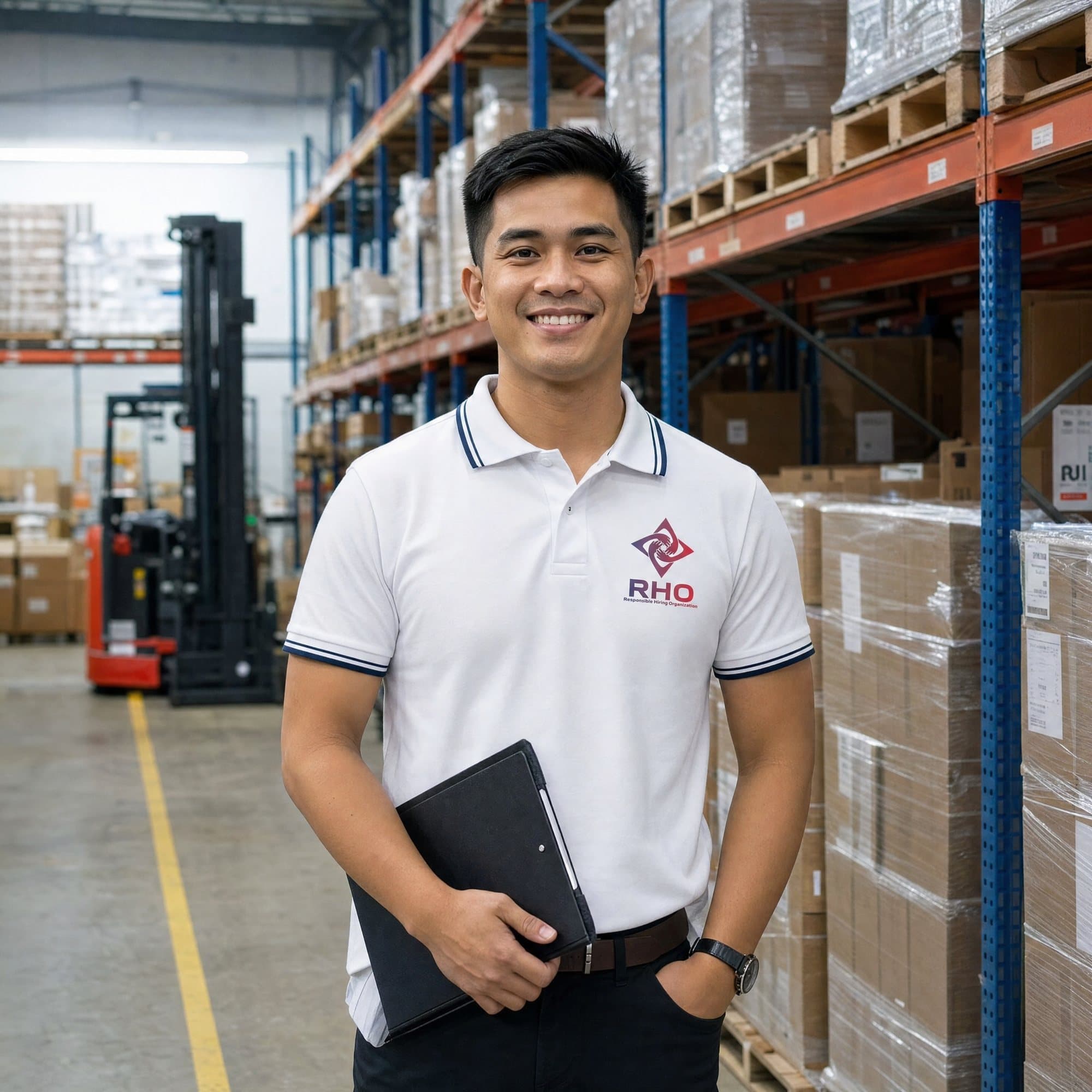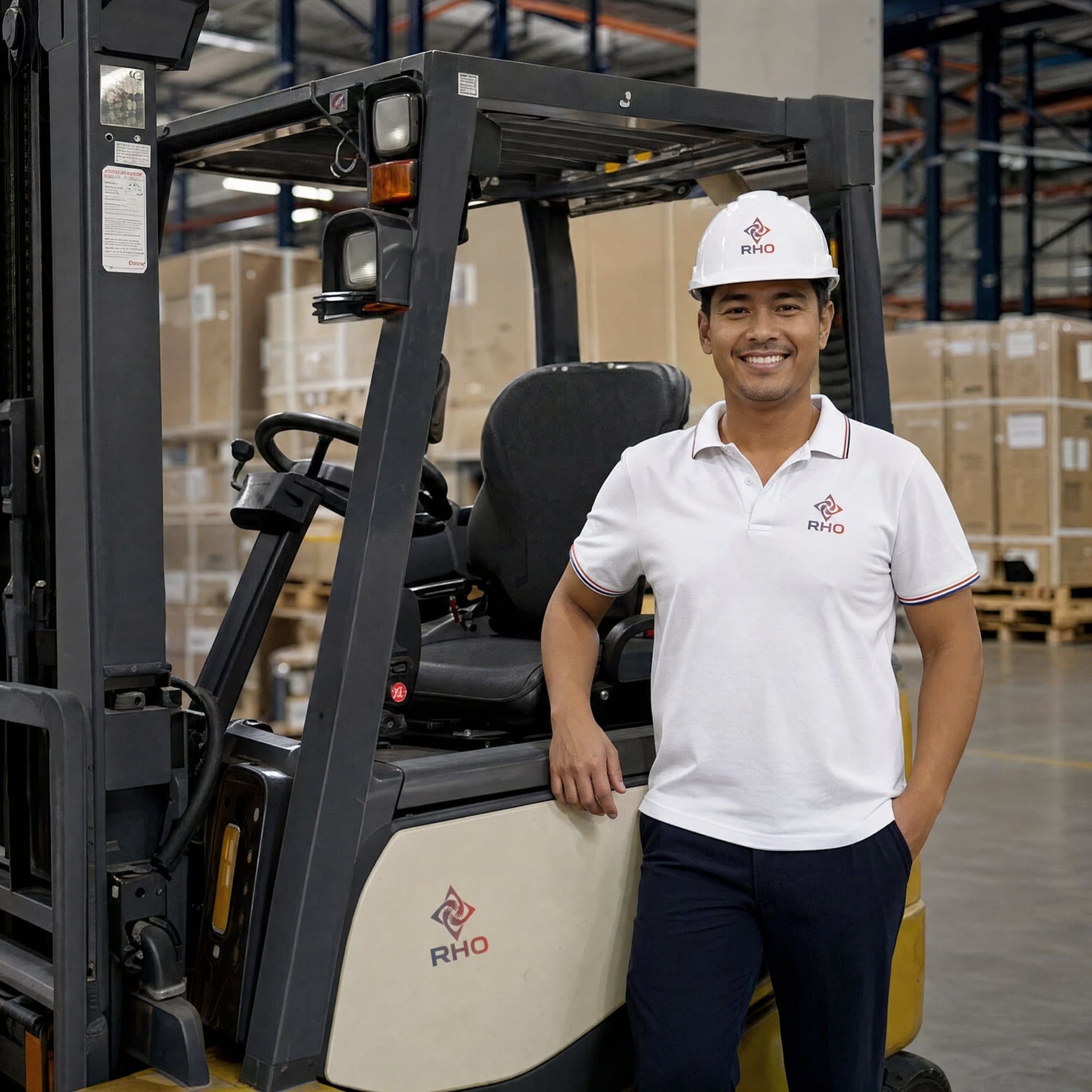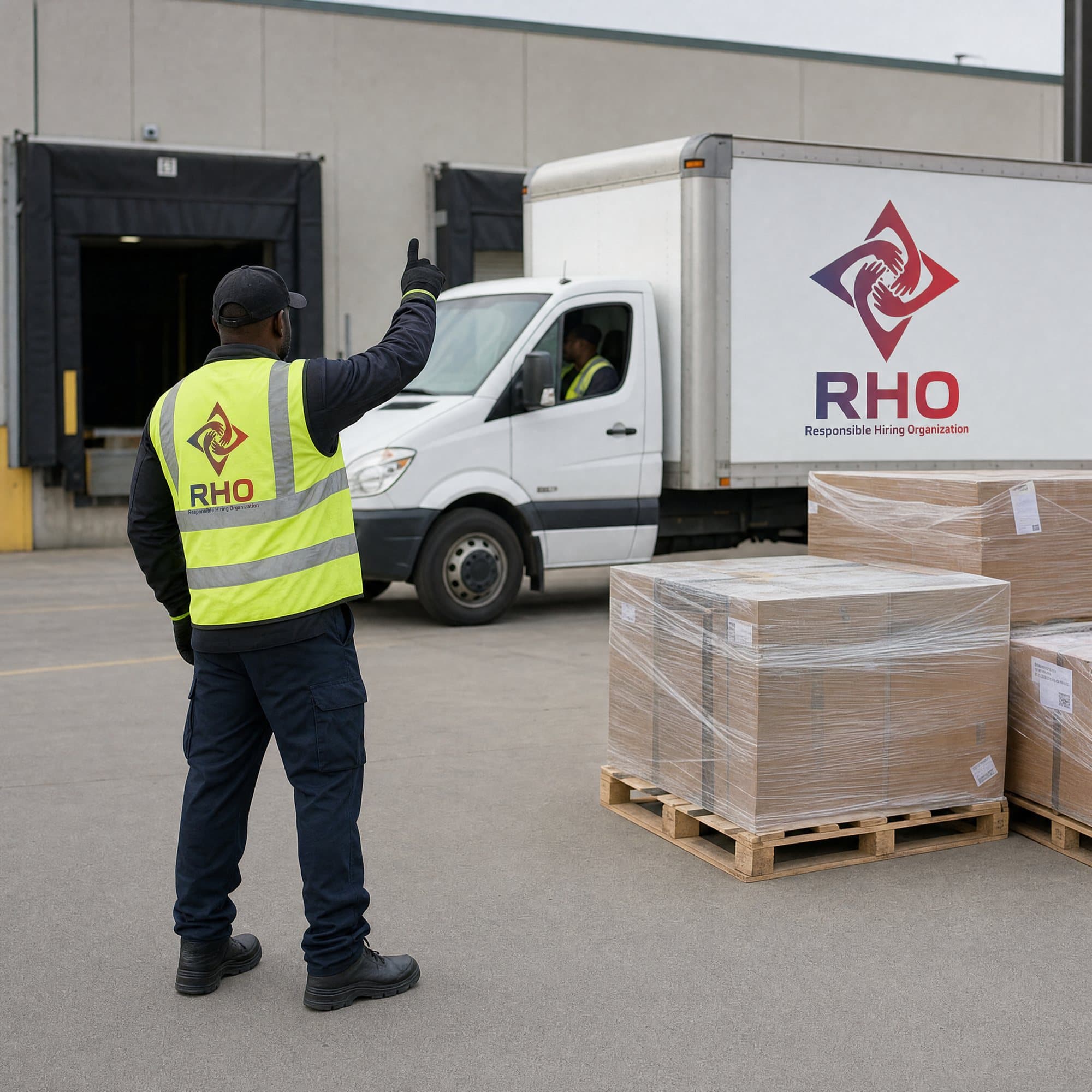
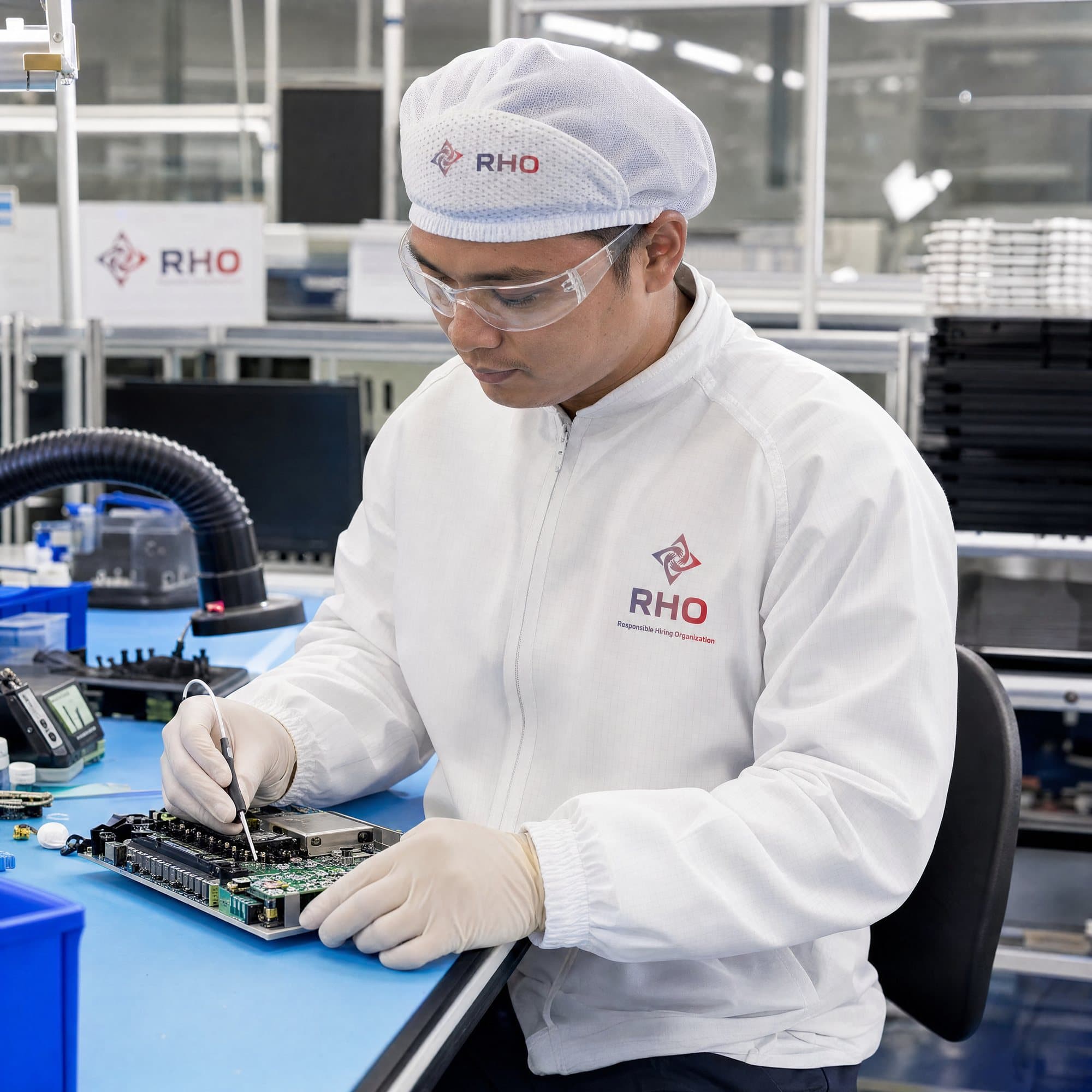

In short: Hiring production workers successfully involves outlining every job by station, equipment, and shift, screening candidates for reliability and ability to follow process, training every new person on machine safety before starting, and utilizing a staffing partner to flex headcount as volume shifts. If you would rather hand the search to a manufacturing staffing agency, RHO Hiring provides production workers and machine operators for factories in Michigan. Call (248) 843-0000.
Typically the ones that suffer are plants that treat every opening as "general labor." A production floor is not a stockroom with louder music. It moves at the speed of the line, around machines with moving parts, sometimes in heat, sometimes in cold, on around-the-clock shifts. Staffing it takes more forethought than a "workers wanted" sign.
What makes factory hiring different?
The line sets the pace
One slow station slows down what comes behind it. A steady pace is more important than speed.
Machines and moving parts
Guards, lockout tags and protective equipment aren't optional, starting from minute one.
Shifts around the clock
Lots of plants operate evenings, nights and weekends. Make sure new people know what shift they'll be working before they accept the offer.
Heat and cold
Some floors can be hot in July and freezing in January. Mention that in the job description.
Procedures that matter
Work instructions, quality checks and sanitation steps are followed exactly, not approximately.
A team, not a solo job
People hand work to each other all shift. One no-show changes everyone's day.
Here's how the Bureau of Labor Statistics describes the assembly side of this career: Most assemblers and fabricators work in manufacturing plants. The work can require standing for long periods of time. Some workers have shifts that include evenings, weekends, and nights. Assemblers and fabricators typically receive several months of training on the job, which is why keeping a trained person is worth far more than replacing one.
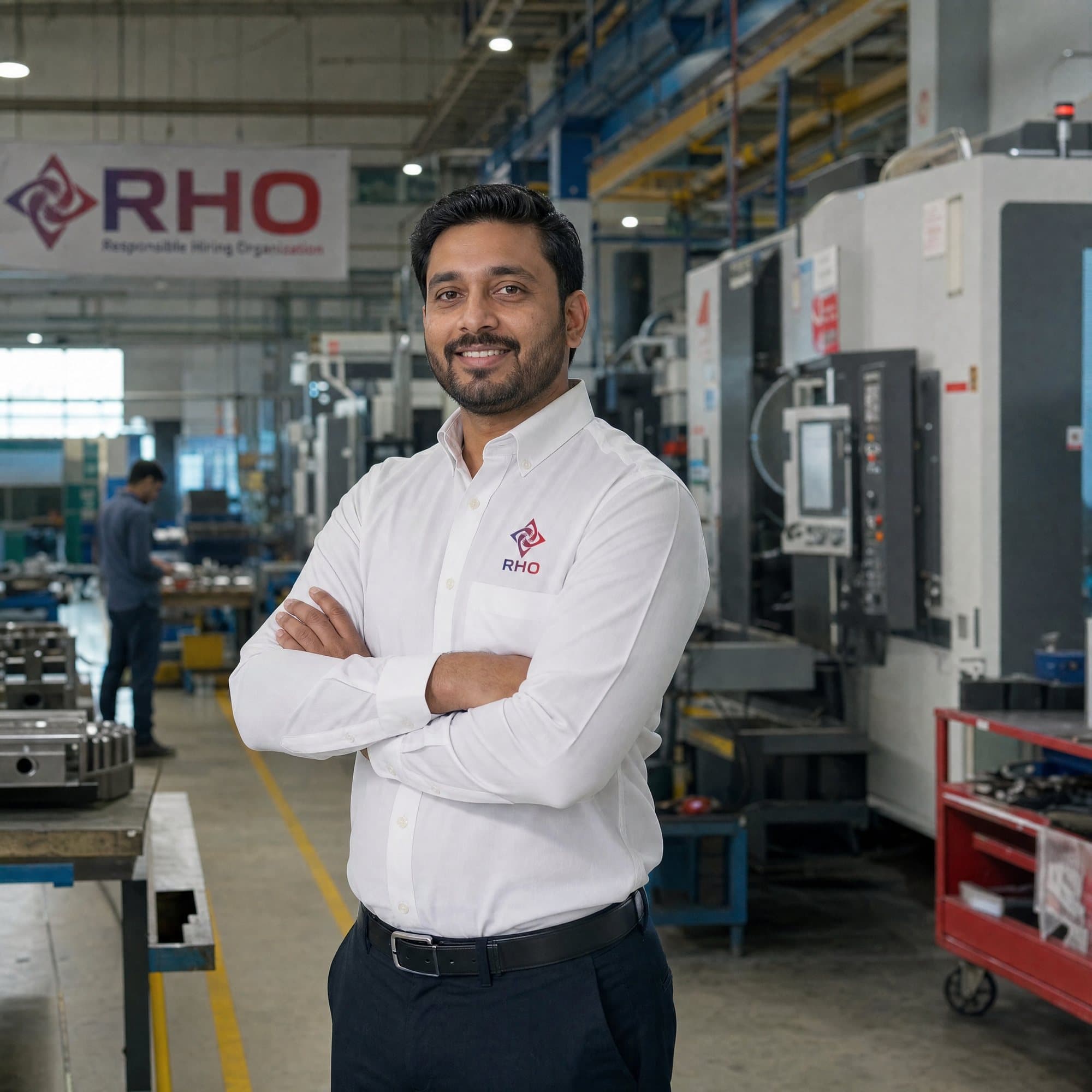
Which roles should you plan for on a production floor?
| Role | What they do | What to look for |
|---|---|---|
| Entry-level production | Feed lines, pack, sort, clean and move materials | Reliability, stamina, follows instructions |
| Machine operators | Run, load and monitor equipment, and report problems | Experience on similar machines, attention to gauges |
| Assemblers | Build parts and products, positioning and aligning components | Steady hands, consistency, follows a work instruction |
| Specialized handling | Move heavy, fragile or sensitive materials | Careful habits, training on the equipment |
| Quality checks | Inspect, measure, accept or reject | Detail, patience, comfort with measuring tools |
| Material movers | Keep stations supplied by hand or by forklift | Operators trained and evaluated on your trucks |
Six steps for hiring production workers who stay
Write the job by station
Job-related tasks, equipment needed, PPE required, and the pace and shift of the station they will be working.
Describe it honestly
Hours standing per shift, temperature, lifting involved, noise level. Informed people stay longer.
Screen for reliability and process
Attendance record and ability to do things step by step are better indicators of future success than overall experience.
Match the shift
You're not going to have a good employee very long if the shift doesn't work for them.
Prepare before day one
Safety orientation, gear and a named trainer all set before the new person walks in.
Check in early
Check in when day one is done, and again at the end of week one. Fix what you hear.
What safety training is due before the first shift?
OSHA couldn't be clearer about machines: moving machine parts can cause severe injuries, and any machine part, function or process that has the potential to cause injury must be safeguarded. Its lockout/tagout standard requires employers to train workers about controlling hazardous energy, and anyone who works where lockout/tagout procedures are used must be trained on them, including the rule about not restarting equipment that has been locked or tagged out.
If a new person is hired through an agency, both employers split the job. According to OSHA: Host employers must treat temporary workers as they would any other workers with respect to training, as well as safety and health protections. Although the staffing agency typically provides general safety training, host employers should provide temporary workers with training regarding the specific equipment they will be using and hazards they may encounter. OSHA and NIOSH explain using an actual incident: A temporary worker cleaning equipment at a food manufacturing plant was killed when he contacted rotating machinery. Permanent maintenance employees of the plant had received training on procedures for protecting workers from exposure to energized equipment during maintenance or cleaning; the cleaning crew supplied by the agency had not.
How do you staff for swings in volume?
Factory volume doesn't usually plateau. New contracts, seasonal spikes, overtime weeks and a string of absences can all alter your headcount requirements. Having a stable core crew, as well as a staffing partner who is already familiar with your floor, lets you add trained workers without starting from scratch. Temp-to-hire allows you to turn the best of them into permanent staff.
The companies that handle swings best expect them. They know ahead of time what stations will require trained individuals and what stations can accept an untrained person if matched with the right trainer. They have a short list of workers they are happy to call back. They brief their agency on a new contract the day it is signed, not the day they receive the first order.
Factory hiring mistakes
- Hiring for "general labor" when the job is really machine operation
- Starting new people on the hardest station on the line
- Saving training for "when it slows down"
- Moving temps between machines without training them on each one
- Waiting for a crisis before calling an agency
“We strive to provide the best employees to every client.”
 George MakoveyCEO, RHO Hiring
Factory hiring questions
What's the difference between general labor and a machine operator?
General labor includes activities such as packing, sorting, line feeding and material movement. Machine operators run and monitor machinery, so they should be trained on the specific machines they will be working on.
Should temporary workers get the same safety training as our employees?
Yes. According to OSHA, host employers are required to provide temporary workers with training and safety and health protections equal to that of their other workers.
How do we keep new factory workers past the first week?
Describe the job accurately. Hire someone to work a shift they can consistently commit to. Train them prior to starting. Give them someone specific to call when they have a question. Follow up with them on their first day and week.
Can a staffing agency supply machine operators?
Yes. Specify to the agency what machines, what materials and what shift. And pre-plan site-specific training on your equipment before anyone operates it.
What should a Michigan plant look for in an agency for production workers?
A staffing firm that wants to know your stations, machines and shifts before sending anyone. RHO Hiring provides entry-level production workers, machine operators and specialized handling employees screened for dependability and trained in safety prior to their first shift. Call (248) 843-0000.
How RHO Hiring staffs Michigan production floors
RHO Hiring helps place entry-level production workers, machine operators and specialized handling staff in factories and manufacturing facilities throughout Michigan, including steel and metal fabrication plants. We study your workflow, shifts and production volume before assigning workers. All of our employees are prescreened for reliability and attention to detail, and are trained in safety protocols before beginning work. You'll also have access to a dedicated management team who monitor your account. We are locally owned and operated, not a franchise. As owners, we stay directly involved with our customers. Need workers for an automotive plant? Read our guide to automotive manufacturing staffing.
Sources
Next guide
Automotive manufacturing staffing in Michigan starts with the suppliers, because the auto industry here runs on them. Suppliers are only as good as the people who work for them. How do plants at all levels staff for assembly, inspection and parts handling without compromising quality? RHO Hiring walks through it.